Best Exterior Painting for Brick Surfaces: Materials & Guide
Revitalizing exterior masonry assemblies requires careful navigation. Building physics, vapor transmission mechanics, and ceramic chemistry intersect here. Preservationists and consultants evaluate masonry treatments carefully. They reject standard synthetic coatings for clay masonry. Furthermore, exterior brick and mortar joints differ greatly from wood. Historic lime matrices and modern Portland cement exhibit unique porosity and thermal mass.
The main challenge involves managing moisture vapor. Modern paints often block this movement. Therefore, trapping moisture behind non-breathable films causes serious issues. Internal hydraulic pressure builds up quickly. This leads to freeze-thaw spalling, mortar decay, and efflorescence.
Achieving long-term stability requires material compatibility. This article serves as a definitive reference for brick coating systems. It examines material evolution, execution frameworks, and long-term governance.
Understanding “best exterior painting for brick surfaces”
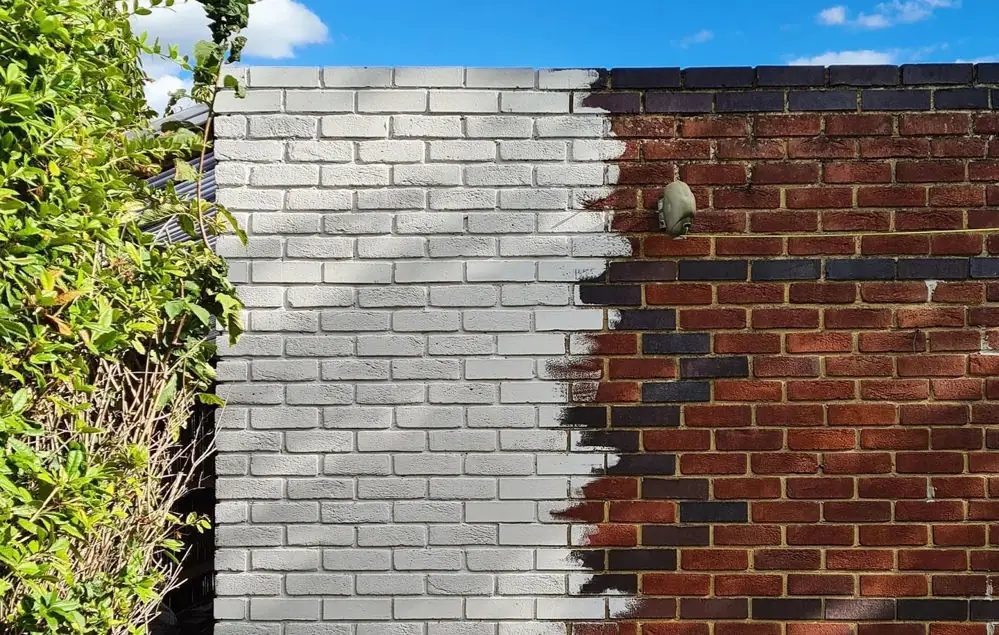
When specifying the best exterior painting for brick surfaces, consultants balance vapor perm ratings and bonding profiles. A successful coating acts as a micro-porous barrier. It permits outward moisture evaporation while stopping liquid water.
Oversimplification causes building damage. Property owners often apply commercial elastomeric paint to damp brick. Consequently, low-perm films trap rising moisture. Winter freezing then shatters the clay brick face.
Several critical misunderstandings complicate choices:
-
The Waterproofing Illusion: Assuming full sealing stops all damage, while ignoring that trapped vapor exerts destructive force.
-
The Universal Primer Fallacy: Believing standard interior primers bond well to alkaline masonry without saponification.
-
The Permanent Maintenance Myth: Expecting paint to eliminate upkeep, whereas polymer films degrade under UV light.
Navigating these factors requires viewing the brick wall as an integrated vapor system.
Deep Contextual Background: Evolution of Masonry Coatings
Masonry finishing evolved from simple mineral treatments to complex synthetic formulas. Early architecture relied on lime washes. These mixtures provided high vapor permeability, allowing historic walls to breathe while shedding bulk rain.
Later, the construction market shifted toward synthetic resins. Early formulators treated brick like wood. They applied heavy, non-porous films that trapped moisture inside. This water froze during winter, causing widespread spalling.
Modern coatings introduced breathable acrylics and potassium silicate formulas. These advances protect against liquid water without blocking vapor. Today, masonry refinishing is a precise science. Specifications mandate exact perm ratings to protect the envelope.
Conceptual Frameworks and Mental Models
Coating exterior masonry requires structured mental models.
1. The Capillary Vapor Balance
Masonry absorbs and releases moisture continuously. Exterior coatings must match or exceed the perm rating of the underlying brick. Otherwise, moisture accumulates and causes frost spalling.
2. The Alkalinity Matrix
New mortar possesses high surface alkalinity. Formulations require alkali-resistant binders like 100% acrylic resins or potassium silicates. These binders resist chemical breakdown.
3. The Petrifaction Model
Inorganic silicate coatings react chemically with brick minerals through petrifaction. This creates a permanent crystalline bond instead of a separate surface film.
Limits of Frameworks
Subsurface salt contamination or hidden cracks can override standard calculations. Specialized mitigation is often required first.
Key Categories and System Variations
Finding the best exterior painting for brick surfaces requires matching formulations to masonry porosity and age.
1. Potassium Silicate Mineral Coatings
Formulated from liquid potassium water glass, these inorganic coatings form a permanent crystalline bond. They offer high UV stability and vapor permeability.
2. 100% Acrylic Breathable Masonry Paints
These waterborne emulsions feature high perm ratings. They allow vapor escape while blocking liquid water.
3. Slaked Lime Washes
Traditional finishes composed of aged hydrated lime. They offer historic aesthetics and weather gradually through soft chalking.
4. Silicone-Acrylic Hybrid Emulsions
These combine acrylic flexibility with water-repellent silicone additives for damp environments.
5. Silane-Siloxane Penetrating Sealers
These clear treatments line capillary pores to repel water while maintaining total breathability.
6. Elastomeric Acrylic Coatings
Stretchy coatings designed for concrete block. However, they require caution on soft historic brick.
Decision Logic for System Selection
-
What is the brick age and composition? Historic soft brick requires silicate or lime systems; modern brick accommodates acrylics.
-
What is the moisture load? Walls with rising damp need high-perm mineral systems.
-
What are local regulations? Historic districts often require matte mineral finishes.
Detailed Real-World Execution Scenarios
A : Historic Soft-Brick Townhome
-
Constraints: Porous clay bricks, delicate lime mortar, strict board oversight.
-
Decision Points: Low-pressure hot water wash; application of a potassium silicate mineral paint system.
-
Failure Modes: Applying standard acrylic latex paint, causing brick faces to spall within two seasons.
-
Second-Order Effects: Permanent mineral integration and elimination of peeling risks.
B : Commercial Brick Building with Efflorescence
-
Constraints: Heavy salt deposits, moderate chalking, mildew zones.
-
Decision Points: Chemical salt neutralization; alkali-resistant primer; breathable acrylic paint with anti-fungal additives.
-
Failure Modes: Painting over untreated salt, causing crystals to push the paint film away.
-
Second-Order Effects: Restores aesthetic uniformity safely.
C : Modern Concrete Block and Face Brick Hybrid
-
Constraints: Hairline cracking, wind-driven rain exposure.
-
Decision Points: Polyurethane crack patching; high-build elastomeric system to bridge micro-fissures.
-
Failure Modes: Sealing bottom weep holes, trapping water inside the wall.
-
Second-Order Effects: Exceptional water shedding performance.
Planning, Cost, and Resource Dynamics
Executing a masonry project requires careful labor and material budgeting.
Cost Breakdown Dynamics
-
Surface Preparation and Repair (60–70%): Washing, cleaning, tuckpointing, and crack repairs consume most of the capital.
-
Specialized Materials (20–25%): Authentic silicate paints and breathable primers carry higher unit costs.
-
Access and Containment (10–15%): Scaffolding and environmental protection.
Comprehensive Cost Matrix
| Coating Tier | Substrate Condition | Required Preparation & System | Estimated Cost Range (per 1,000 sq ft) | Expected System Lifespan |
| Traditional Lime Wash | Sound Brick or Stucco | Light wash, damp application, 2 coats of slaked lime wash | $3,000 – $5,500 | 3 – 6 Years |
| Breathable Acrylic Finish | Sound Face Brick | Power wash, masonry primer, 2 coats 100% acrylic paint | $4,500 – $7,500 | 8 – 12 Years |
| Potassium Silicate Mineral | Porous Brick or Masonry | Low-pressure wash, silicate primer, 2 silicate topcoats | $7,000 – $11,500 | 15 – 25 Years |
| Comprehensive Restoration | Damaged Mortar, Spalling | Tuckpointing, brick replacement, wash, breathable system | $10,000 – $18,000+ | 15 – 20 Years |
Tools, Strategies, and Support Systems
1. Diagnostic Equipment
-
Pinless Moisture Meters: Measure sub-surface moisture content before coating.
-
Karsten Tube Testers: Measure water absorption rates to determine permeability needs.
2. Preparation Technology
-
Controlled-Pressure Washers: Deliver regulated pressure under 1,500 PSI to remove grime safely.
-
Chemical Poultices: Acidic or alkaline pastes used to draw out deep-seated salts.
3. Application Hardware
-
Masonry Block Brushes: Natural fiber brushes used to work paint into rough textures.
-
Low-Pressure Sprayers: Ensure rapid coverage followed by manual back-rolling.
Limitations of Equipment
High-pressure sandblasting destroys the fired outer crust of brick and accelerates moisture absorption.
Risk Landscape and Failure Modes
1. Freeze-Thaw Spalling
Non-breathable coatings trap moisture. Freezing water expands and shatters the clay face.
2. Alkali Burn
Unreacted alkaline salts attack the polymer binder, causing peeling.
3. Efflorescence Blistering
Soluble salts re-crystallize beneath the film, pushing the coating outward.
4. Biological Staining
Organic growth colonizes pores in damp microclimates.
Governance, Maintenance, and Long-Term Adaptation
The Maintenance Schedule
-
Semi-Annual Audits: Inspect rooflines and flashing to ensure bulk water stays away from masonry.
-
Annual Visual Inspections: Check for hairline cracking or flaking.
-
Triennial Checks: Test sub-surface moisture levels and adhesion.
-
Decadal Evaluation: Assess film thickness to determine if a refresh coat is needed.
Measurement, Tracking, and Evaluation
Key Metrics
-
Leading Indicators: Reduction in water-beading, hairline mortar cracking, and localized efflorescence.
-
Lagging Indicators: Large-scale paint delamination and active brick spalling.
Documentation Examples
-
Moisture Mapping Log: Periodic records tracking sub-surface moisture percentages.
-
Coating Formulation Record: Technical documentation of perm ratings and batch numbers.
Common Misconceptions and Oversimplifications
Myth 1: “Painting brick traps you in endless maintenance.”
Silicate mineral paints petrify into the brick, offering multi-decade durability.
Myth 2: “Standard house paint works fine with a primer.”
Standard paints lack vapor permeability, leading to moisture entrapment.
Myth 3: “Painting destroys historical integrity.”
Historic buildings were often painted originally; breathable lime and mineral washes preserve this practice.
Myth 4: “Pressure washing is enough preparation.”
Washing alone cannot remove stubborn salts or biological spores.
Myth 5: “Waterproof sealers provide the best protection.”
Completely waterproof coatings trap interior moisture and cause structural decay.
Ethical, Practical, and Regional Considerations
Preservation Ethics
Specifiers must respect original building fabric. Prioritize reversible, vapor-open systems like mineral paints that do not alter historic clay chemistry.
Regional Climate Variations
-
Coastal Environments: Require silicate coatings to resist salt crystallization.
-
Northern Zones: Require high vapor permeability to prevent ice lens formation.
-
Desert Climates: Demand UV-stable inorganic pigment systems.
Conclusion
Finding the best exterior painting for brick surfaces requires rejecting general conventions. Building physics and vapor permeability management are vital. By prioritizing surface preparation and utilizing advanced mineral or acrylic formulations, property owners secure the longevity of masonry assets.