Best Exterior Painting for Vinyl Siding: Coatings & Guide
Revitalizing residential building envelopes made of polyvinyl chloride requires careful planning. First, you must navigate a complex mix of polymer chemistry and thermal dynamics. When contractors evaluate the best exterior painting for vinyl siding, they reject standard exterior paint. Furthermore, vinyl siding panels use extrusion processes. Therefore, they exhibit thermal expansion rates vastly different from wood.
The main challenge involves handling the natural mobility of plastic substrates. In fact, modern architectural paints often rely on high-surface-tension resins. These resins fail to bond with smooth PVC. On vinyl siding, consequently, poor coating choices generate severe thermal distortion, panel buckling, and film delamination.
Achieving long-term coating stability requires a shift toward rigorous polymer compatibility. This article provides a definitive reference for analyzing vinyl coating systems. It examines material evolution, execution frameworks, and long-term governance to ensure architectural assets remain protected.
Understanding “best exterior painting for vinyl siding”
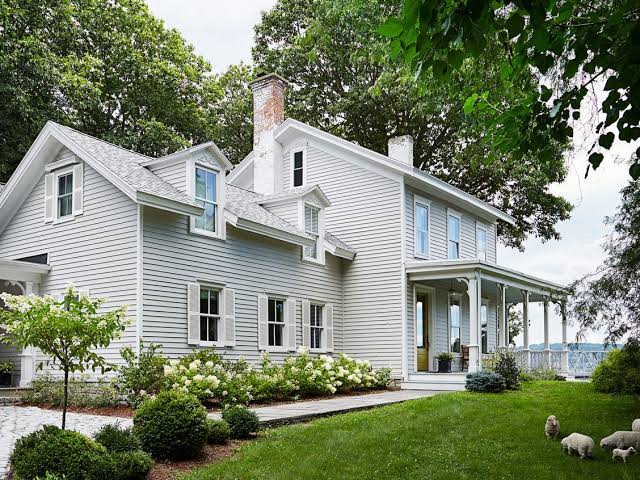
When specifying the best exterior painting for vinyl siding, technical consultants must balance solar absorptive values and resin flexibility. A successful finish on plastic siding is not merely a pigmented skin. Instead, it functions as a specialized boundary layer that accommodates panel movement. Furthermore, it protects the underlying polymer matrix from ultraviolet degradation.
Oversimplifying this selection process frequently leads to building damage. For example, property owners often default to dark acrylic latex paints based on aesthetics. However, low-reflectance dark colors absorb solar radiation. Consequently, they overheat the underlying vinyl and cause permanent warping.
Several critical misunderstandings complicate the evaluation framework:
-
The Universal Paint Fallacy: Assuming that any high-grade exterior acrylic paint suitable for wood is appropriate for plastic, while ignoring total solar reflectance (TSR).
-
The Color Freedom Trap: Prioritizing deep, saturated chromatic choices, whereas dark pigments trap excessive thermal energy and exceed the Vicat softening point of standard PVC.
-
The Direct Application Expectation: Believing that surface cleaning alone is sufficient preparation, although plastic surfaces require specialized bonding agents for long-term adhesion.
Navigating these complexities requires analyzing the building skin as an integrated thermal system. Siding panels and coating chemistry must maintain strict dimensional equilibrium.
Deep Contextual Background: Evolution of Vinyl Coatings
The history of architectural vinyl maintenance reflects a continuous evolution driven by the mass adoption of PVC siding. Early maintenance paradigms treated faded vinyl siding as a disposable material. Because early architectural coatings lacked adequate adhesion promoters, attempts to paint vinyl resulted in peeling and panel distortion within a single season.
These early failures stemmed from a misunderstanding of vinyl manufacturing. Siding panels are extruded with plasticizers designed to maintain flexibility. Over time, these compounds migrate to the surface. Thus, they create an invisible barrier that prevents paint adhesion. Furthermore, early coatings lacked solar-reflective pigments. Any dark color application absorbed intense infrared radiation, causing the underlying plastic to soften and buckle.
The development of specialized vinyl-safe formulations transformed the industry. Modern chemical manufacturers engineered acrylic urethane resins infused with infrared-reflective (IR) pigments. These technological breakthroughs allowed formulators to create dark color palettes that reflect solar heat rather than absorbing it. As a result, surface temperatures remain below the deformation threshold of the underlying polymer.
Today, architectural refinishing of synthetic siding has matured into a precise engineering discipline. Modern coating specifications mandate strict adherence to Light Reflectance Value (LRV) thresholds. Therefore, aesthetic transformations do not compromise the structural stability of the building envelope.
Conceptual Frameworks and Mental Models
Coating architectural plastic requires structured mental models that account for the thermal and physical mechanics of synthetic building components.
1. The Total Solar Reflectance (TSR) Threshold
This model dictates that any coating applied to vinyl siding must maintain an LRV equal to or greater than the original factory finish—typically requiring an LRV rating of 55 or higher. If a low-LRV dark paint is applied without IR-blocking pigments, solar radiation is trapped as thermal energy. Consequently, panel temperatures rise past safe structural limits.
2. The Hanging Mobility and Expansion Allowance
Vinyl siding is never installed rigidly. Panels hang loosely on slotted nailing flanges to slide horizontally during thermal expansion cycles. Rigid coatings lock adjacent panels together at their overlap joints. Consequently, this restriction creates stress fractures, ripples, and unsightly gaps.
3. The Surface Energy Interlock
Plastics possess low surface energy, meaning liquids tend to bead up rather than wet out and bond. This model requires the disruption of surface tension via chemical washing. Moreover, it requires low-surface-energy acrylic resins that can establish a permanent mechanical grip on the smooth PVC substrate.
Limits of Frameworks
Although these mental models establish rigorous parameters, they possess practical limitations. Extreme localized microclimates or brittle aging vinyl can invalidate standard TSR calculations. Therefore, custom empirical testing is often required on individual elevations.
Key Categories and System Variations
Identifying the best exterior painting for vinyl siding requires mapping specific chemical resin systems to the physical constraints of plastic substrates. Below are the primary categories utilized in professional architectural refinishing.
1. 100% Acrylic Waterborne Resins with IR Technology
Formulated with high-grade acrylic polymers and specialized infrared-reflective pigments, these advanced coatings allow for a wider spectrum of medium-to-dark colors while reflecting solar heat away from the substrate.
2. Urethane-Modified Acrylic Emulsions
These hybrid systems combine the weatherability of acrylics with the toughness of polyurethane. Additionally, they provide enhanced resistance to abrasion and seasonal weathering.
3. Direct-to-Substrate Vinyl-Safe Acrylics
Specialized single-component formulations engineered specifically for low-surface-energy plastics. Furthermore, they eliminate the requirement for a separate primer coat on sound, chalk-free surfaces.
4. Specialized Bonding Primers Paired with Acrylic Topcoats
Two-component systems utilize a high-adhesion primer to bite into the PVC surface. Afterward, an elastomeric or 100% acrylic finish coat is applied for ultimate color retention.
5. Elastomeric Acrylic Architectural Coatings
High-build flexible coatings designed to bridge minor surface imperfections. However, they must be strictly controlled on vinyl to prevent excessive film weight from restricting panel sliding movement.
6. Low-VOC Waterborne Alkyd Hybrid Finishes
Though rarely used directly on vinyl due to potential embrittlement issues over time, modified hybrid emulsions are occasionally deployed on specialized trim accessories adjacent to siding assemblies.
Decision Logic for System Selection
-
What is the current condition and age of the vinyl? Brittle, sun-bleached, or chalking vinyl requires a dedicated bonding primer, whereas sound, newer siding can utilize direct-to-substrate formulations.
-
What is the target color’s Light Reflectance Value (LRV)? If the desired color falls below standard manufacturer thresholds, the specification must mandate certified infrared-reflective (IR) pigment technology to prevent warping.
-
What are the local environmental exposure dynamics? Elevations exposed to intense afternoon solar radiation demand maximum TSR ratings, whereas shaded north-facing walls prioritize biological and mildew resistance.
Detailed Real-World Execution Scenarios
A : Sun-Bleached South-Facing Coastal Residence
-
Constraints: Severe ultraviolet fading, chalking residue on the surface, and intense solar exposure throughout the afternoon hours.
-
Decision Points: Mandatory low-pressure power washing with specialized cleaners to remove chalk residue; application of a high-adhesion bonding primer; finishing with two coats of 100% acrylic, IR-reflective coating rated at an LRV above 60.
-
Failure Modes: Skipping the chalk removal step, resulting in the new paint peeling away because it bonded to loose chalk powder rather than the solid vinyl substrate.
-
Second-Order Effects: Extended color retention and UV protection; significantly reduced surface temperatures compared to unreflective aftermarket paints.
B : Modern Suburban Home Requiring a Deep Charcoal Color Transformation
-
Constraints: Homeowner demand for a dark architectural aesthetic on thin-gauge vinyl siding prone to thermal warping.
-
Decision Points: Strict rejection of standard dark paint formulas; specification of proprietary, heat-deflecting infrared-reflective (IR) architectural coatings engineered to maintain safe sub-surface thermal levels despite dark pigmentation.
-
Failure Modes: Applying a standard commercial dark gray acrylic paint with a low LRV, causing the vinyl panels to warp and bow within their nailing channels within weeks.
-
Second-Order Effects: Satisfies modern aesthetic requirements without violating manufacturer structural warranties or causing physical panel deformation.
C : Aged, Brittle Vinyl Siding in a Severe Freeze-Thaw Climate
-
Constraints: Twenty-five-year-old siding suffering from micro-embrittlement, minor impact cracking, and heavy biological staining.
-
Decision Points: Thorough inspection to identify structurally compromised panels requiring replacement prior to coating; application of a flexible, high-build acrylic urethane system that adds structural resilience to brittle plastic.
-
Failure Modes: Attempting to paint over cracked vinyl without replacing damaged sections, leading to immediate post-painting structural failure under wind load.
-
Second-Order Effects: Restores structural cohesion to aging building skins, extending the service life of the envelope by an estimated 8 to 12 years.
Planning, Cost, and Resource Dynamics
Executing a professional vinyl painting project involves careful surface preparation logistics, material selection, and labor allocation. Unlike wood or stucco, painting vinyl is fundamentally a preventive thermal and aesthetic intervention.
Cost Breakdown Dynamics
-
Surface Preparation and Cleaning (40–50%): Pressure washing, chemical decontamination, mold remediation, and meticulous rinsing consume a significant portion of labor capital to ensure absolute paint adhesion.
-
Specialized IR and Acrylic Materials (30–40%): Infrared-reflective pigments and high-performance 100% acrylic resins carry a higher unit cost than standard exterior house paints.
-
Precision Application and Masking (15–20%): Careful spraying or back-brushing techniques designed to avoid locking overlapping siding panels together at their expansion joints.
Comprehensive Cost Matrix
The following table outlines standard budgetary expectations per 1,000 square feet of surface area for professional vinyl siding coating projects.
| Refinishing Tier | Substrate Condition | Required Preparation & System | Estimated Cost Range (per 1,000 sq ft) | Expected System Lifespan |
| Standard Refresh | Sound, Faded Vinyl | Power wash, direct-to-substrate 100% acrylic (High LRV) | $2,500 – $4,000 | 7 – 10 Years |
| Color Transformation (Dark) | Sound Vinyl, Color Change | Power wash, bonding primer, IR-reflective dark acrylic | $3,500 – $5,800 | 10 – 15 Years |
| Aged / Chalking Restoration | Oxidized, Chalky Siding | Deep chemical wash, heavy-duty bonding primer, 2 acrylic coats | $4,500 – $7,000 | 10 – 12 Years |
| Comprehensive Restoration | Minor Panel Repairs, Faded | Siding repairs, wash, primer, IR-reflective premium finish | $6,000 – $9,500+ | 12 – 15 Years |
Tools, Strategies, and Support Systems
Executing successful vinyl refinishing specifications demands specialized equipment designed to clean and coat low-surface-energy plastics safely.
1. Diagnostic Equipment
-
Infrared Thermometers: Used to measure surface temperatures during direct solar exposure to verify thermal compliance before and after coating application.
-
Gloss and Adhesion Testing Kits: Field cross-hatch adhesion tools used to verify that surface contaminants and plasticizer residues have been fully eliminated.
2. Surface Preparation Technology
-
Commercial Pressure Washers with Chemical Injectors: Deliver controlled washing pressures under 2,000 PSI combined with specialized biodegradable surfactants to strip oxidation chalk.
-
Tack Cloths and Static-Elimination Wipes: Prevent airborne dust and particulate debris from embedding into tacky wet acrylic films during application.
3. Application Hardware
-
Airless Paint Sprayers with Fine-Finish Tips: Ensure uniform film thickness distribution across contoured panel profiles without heavy pooling in shadow lines.
-
Back-Brushing Whips (Synthetic Bristle): Used immediately behind airless spray application to mechanically force coating material into low-surface-energy micro-pores.
Limitations of Equipment
Excessive pressure washer PSI will permanently score, gouge, or puncture vinyl siding. Similarly, improper spray tip selection can lead to uneven film build that locks panel expansion joints.
Risk Landscape and Failure Modes
Coating failures on vinyl siding typically manifest rapidly when chemical or thermal thresholds are violated during execution.
1. Thermal Siding Warping and Buckling
-
Mechanism: Dark paints absorb excessive infrared solar radiation, raising the temperature of the PVC panel above its Vicat softening point and causing permanent structural distortion.
-
Root Cause: Specifying low Light Reflectance Value (LRV) colors without utilizing certified infrared-reflective (IR) pigment technology.
2. Intercoat Delamination and Peeling
-
Mechanism: The applied coating shears away from the plastic substrate in large sheets, leaving a clean, bare plastic surface behind.
-
Root Cause: Inadequate surface preparation, failure to remove powdery oxidation chalk, or painting over un-decontaminated plasticizer migration layers.
3. Joint Locking and Panel Cracking
-
Mechanism: Heavy coatings bridge the expansion gaps between overlapping siding panels, preventing lateral movement during temperature swings and causing panels to crack under stress.
-
Root Cause: Applying excessive film thickness or using rigid, non-flexible resin formulations like traditional alkyds.
4. Blistering from Trapped Moisture
-
Mechanism: Water vapor trapped behind non-porous coating films expands under solar heat, forcing the paint film away from the substrate.
-
Root Cause: Painting damp siding or applying moisture-impermeable sealants over weep holes and bottom drainage channels.
Governance, Maintenance, and Long-Term Adaptation
Long-term management of coated vinyl siding relies on proactive governance frameworks that monitor thermal performance and surface integrity.
The Maintenance Schedule
-
Semi-Annual Visual Inspections: Examine South- and West-facing elevations after peak summer heatwaves to verify that panels are sliding freely within their nailing channels.
-
Annual Low-Pressure Rinse: Wash away environmental pollutants, pollen, and organic grime using low-pressure water and mild detergents to maintain solar reflectance efficiency.
-
Triennial Adhesion and Chalk Audits: Perform localized cross-hatch checks to ensure the coating system maintains a secure mechanical bond with the underlying substrate.
-
Decadal Evaluation Cycle: Assess overall film wear and UV degradation to determine if a maintenance topcoat is required before substrate exposure occurs.
Measurement, Tracking, and Evaluation
Relying on subjective visual appearance is insufficient for professional property management. Quantitative tracking ensures long-term building envelope health.
Key Metrics: Leading vs. Lagging Indicators
-
Leading Indicators (Predict Future Failure): Minor loss of coating elasticity, localized chalking progression on high-sun exposures, and slight reduction in surface water-beading properties.
-
Lagging Indicators (Confirm Active Failure): Visible panel warping, edge cracking at nail slots, and large-scale film delamination.
Documentation Examples
-
Solar Reflectance and LRV Certification Log: Permanent records verifying the exact LRV rating and infrared-reflective properties of every applied coating batch.
-
Substrate Moisture and Temperature Baseline Record: Detailed data logs capturing panel temperatures and ambient relative humidity conditions recorded during the application window.
Common Misconceptions and Oversimplifications
Myth 1: “You can paint vinyl siding any dark color you want as long as you use expensive paint.”
Correction: Standard high-end paints will cause dark vinyl to warp regardless of price. Only specialized infrared-reflective coatings can safely manage thermal absorption on dark colors.
Myth 2: “Vinyl siding never needs to be primed before painting.”
Correction: While sound, chalk-free modern vinyl can accept direct-to-substrate coatings, aged, highly oxidized, or chemically contaminated siding requires a dedicated bonding primer.
Myth 3: “Painting vinyl voids the manufacturer’s warranty, so it should never be done.”
Correction: While unauthorized dark paint applications void warranties due to warping risks, applying approved, heat-reflective coatings within manufacturer LRV guidelines often preserves structural stability.
Myth 4: “Pressure washing at high pressure is the best way to clean vinyl before painting.”
Correction: High-pressure washing above 2,000 PSI physically gouges soft PVC. Conversely, low-pressure chemical washing safely removes oxidation without surface damage.
Myth 5: “Vinyl siding is maintenance-free, so painting it is a waste of money.”
Correction: Over time, vinyl suffers from severe UV fading and chalking. Coating revitalizes its appearance and extends its functional service life significantly cheaper than full replacement.
Ethical, Practical, and Regional Considerations
Practical Resource Conservation
From a sustainability perspective, refinishing existing vinyl siding rather than stripping and replacing it diverts thousands of pounds of non-biodegradable polymer waste from municipal landfills. Property owners have a practical responsibility to maximize the lifecycle of existing building materials through proper maintenance.
Regional Climate Variations
-
High-Solar Desert Environments: Intense ultraviolet radiation and extreme daily thermal swings demand maximum infrared-reflective formulations to prevent severe panel distortion and rapid resin degradation.
-
High-Humidity Coastal Regions: Constant moisture and salt fog necessitate rigorous anti-fungal washing protocols and high-grade acrylic urethane defenses to resist biological staining.
-
Northern Sub-Zero Zones: Rapid freeze-thaw cycles require highly flexible elastomeric resin systems that maintain elongation properties under extreme cold without becoming brittle.
Conclusion
Identifying and applying the best exterior painting for vinyl siding requires rejecting general painting habits in favor of precise polymer science and strict adherence to light reflectance thresholds. Synthetic building envelopes are dynamic systems that demand flexible, solar-reflective, and chemically compatible coatings to manage thermal expansion without structural distortion.
By prioritizing thorough surface decontamination, understanding total solar reflectance (TSR) limits, and utilizing advanced infrared-reflective acrylic formulations, property owners can secure the structural longevity and aesthetic renewal of vinyl siding assets. Professional refinishing bridges the gap between modern material science and structural preservation, ensuring building skins remain resilient against environmental demands.