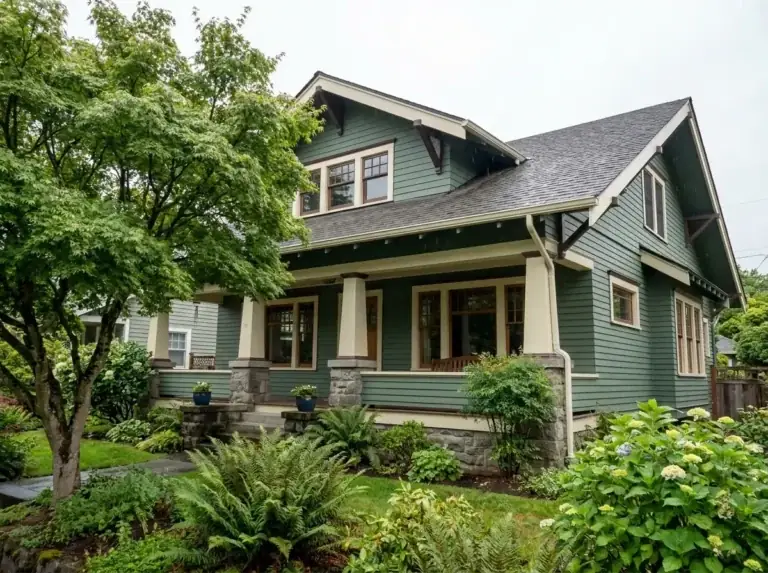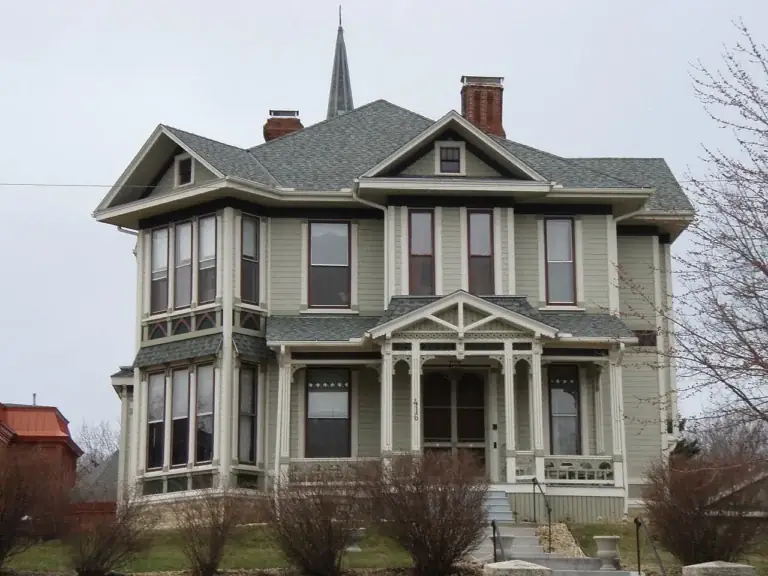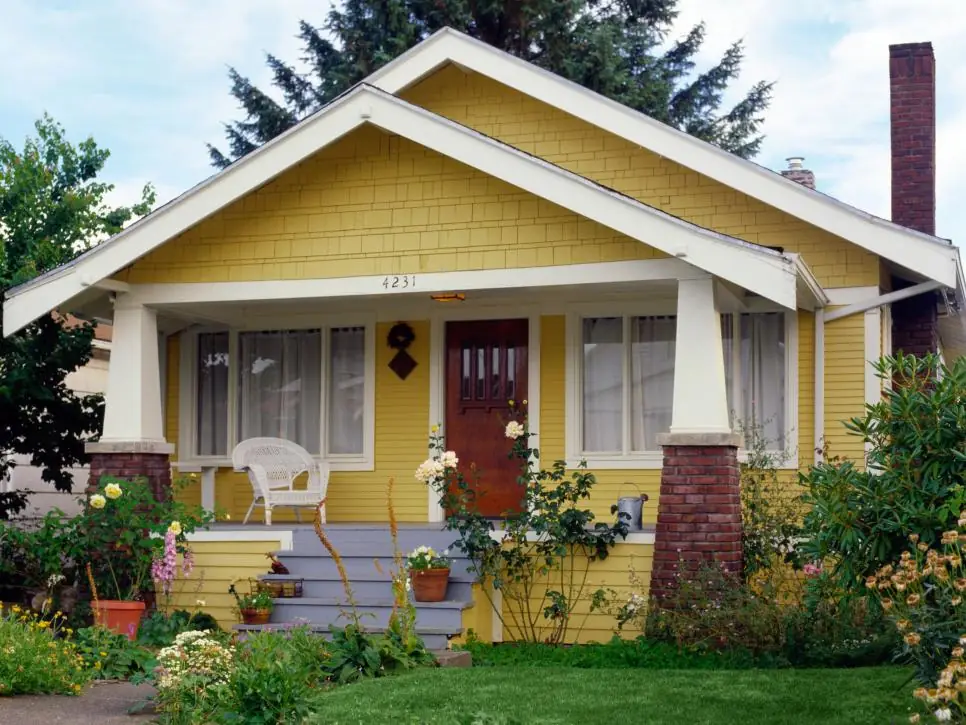
Exterior Painting Plans: Architecture, Materials, and Asset Governance
Exterior architectural preservation is fundamentally an exercise in risk management and building envelope physics. When property owners attempt to outline comprehensive exterior painting plans, they are frequently confronted with a fragmented market dominated by superficial marketing claims, brand rivalries, and cosmetic color trends. This narrow focus obscures the complex chemical and mechanical realities that dictate how exterior coatings perform under real-world environmental stress. A protective coating system is not merely a colored skin applied to a building; it is a semi-permeable membrane engineered to resist moisture intrusion while managing vapor transmission, thermal expansion, and ultraviolet degradation.
Navigating the landscape of exterior coatings requires a systematic understanding of substrate interaction, material science, and regional climate exposure. Choosing a coating without evaluating the underlying material composition, historical layers, moisture profile, and mechanical adhesion parameters invariably leads to premature failure. Whether managing a historic commercial masonry facade, a modern composite multi-family development, or a high-exposure residential property, the longevity of an exterior finish depends on rigorous planning rather than product price tags.
This article establishes a definitive, multi-perspective reference designed to deconstruct the mechanics of exterior surface protection. By exploring structural frameworks, material variations, real-world execution scenarios, failure modes, and long-term governance, this guide provides the analytical depth required to make informed, asset-protective decisions that withstand both environmental weathering and algorithmic scrutiny.
Understanding “exterior painting plans”
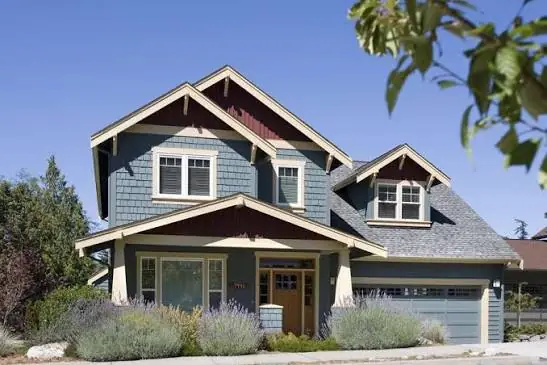
When industry professionals evaluate professional exterior painting plans, they reject the premise that a single product or generic workflow can universally serve every architectural application. Instead, an optimal coating strategy is defined as the precise intersection of substrate compatibility, environmental exposure dynamics, and expected service life cycles. Evaluating these choices demands an understanding of adhesion physics, film build requirements, and the vapor permeability characteristics of modern polymer formulations.
Oversimplification remains the primary catalyst for coating failure. Property owners and inexperienced specifiers frequently make decisions based on brand prestige or short-term aesthetic appeal, ignoring the underlying mechanical requirements of the substrate. This misalignment creates systematic friction between upfront capital outlay and long-term performance.
Several common misunderstandings plague the strategic planning process:
-
The Universal Coating Myth: Assuming that a high-tier, 100% acrylic latex paint functions identically across wood, masonry, and metal substrates without specialized priming regimens.
-
The Thickness Fallacy: Believing that applying thicker coats or skipping multi-step application protocols increases overall durability, ignoring internal film stress and vapor-lock risks.
-
Warranty Misinterpretation: Relying on manufacturer lifetime guarantees without accounting for exclusion clauses related to substrate moisture, structural movement, or improper surface preparation.
Properly assessing comprehensive exterior painting plans requires viewing the building envelope as a unified, breathing system. Every component—from the primer chemistry to the final topcoat—must be selected to accommodate the physical shifts and environmental pressures unique to that structure.
Deep Contextual Background: Evolution of Exterior Protection
The trajectory of exterior architectural finishes reflects a continuous adaptation to changing chemical technologies, environmental regulations, and building methodologies. Early architectural preservation relied on rudimentary organic mixtures, including milk-based casein paints, lime washes, and simple lead-in-oil formulations. These traditional systems operated on a principle of sacrificial absorption, penetrating porous substrates like timber and brick and weathering away slowly via gradual chalking.
The mid-to-late 20th century transformed the coating industry through synthetic polymer chemistry and tightening environmental controls. The elimination of lead pigments due to toxicity concerns, followed by strict limits on volatile organic compounds (VOCs), forced formulators to abandon traditional solvent-borne alkyds in favor of advanced waterborne acrylics, vinyl acrylics, and specialized elastomeric systems.
Modern waterborne acrylic resins provide exceptional color retention, flexibility, and ultraviolet resistance compared to older alkyd formulations. However, they introduce new sensitivities regarding ambient application windows, substrate surface energy, and moisture cure parameters. Simultaneously, modern construction has introduced complex building materials, including engineered wood composites, fiber cement panels, exterior insulation and finish systems (EIFS), and architectural metals.
Each substrate exhibits distinct thermal movement coefficients, surface pH levels, and moisture absorption rates. Consequently, formulating reliable exterior painting plans requires navigating a complex matrix where advanced synthetic resins must harmonize with highly engineered construction materials.
Conceptual Frameworks and Mental Models
Analyzing exterior coating strategies effectively requires deploying robust mental models derived from material science, building pathology, and systems engineering.
1. The Substrate-Interface Equilibrium
This model treats the coating system not as an independent surface layer, but as an integrated boundary zone between the interior conditioned environment and exterior atmospheric loads. The system must act as a selective barrier: preventing liquid water intrusion while permitting structural moisture vapor to escape.
If a coating option restricts vapor permeability past a critical threshold on a high-humidity structure, trapped vapor generates hydraulic pressure beneath the film, causing blistering and delamination.
2. The Sacrificial Wear Layer Paradigm
Derived from corrosion engineering, this model acknowledges that exterior coatings are designed to degrade. Ultraviolet radiation, wind-driven particulate abrasion, and thermal cycling systematically break down the polymer matrix of the topcoat.
An effective specification treats the paint layer as a sacrificial shield that protects the underlying substrate, engineered with scheduled intervention thresholds before degradation reaches the bare substrate interface.
3. The 80/20 Adhesion Ratio
This operational model dictates that 80% of a coating’s long-term success is determined by mechanical surface preparation (profile, cleanliness, dryness, and structural soundness), while only 20% depends on the chemical composition of the paint itself. Allocating capital toward premium paint while neglecting proper surface preparation violates this structural ratio and guarantees premature system failure.
Limits of Frameworks
While these mental models establish reliable baselines for architectural planning, they possess operational limits. Unforeseen structural settling, sudden microclimate shifts, latent construction defects, or improper flashing details can bypass these theoretical safeguards and cause localized coating breakdowns.
Key Categories and System Variations
Executing well-designed exterior painting plans requires matching distinct chemical systems to specific structural substrates. Below are the primary technical categories utilized in professional specifications.
1. 100% Acrylic Latex Formulations
The gold standard for residential and commercial siding, offering high flexibility to accommodate wood and composite expansion, excellent UV resistance, and water cleanup.
2. Elastomeric Wall Coatings
High-build, ultra-flexible polymer systems applied at 10 to 20 dry mils to bridge dynamic hairline cracks in stucco and masonry, though restricted by lower vapor permeability profiles.
3. Potassium Silicate Mineral Paints
Inorganic coatings that undergo a chemical reaction called petrifaction, bonding permanently with brick, stone, and concrete to offer extreme breathability and UV longevity.
4. Direct-to-Metal (DTM) Acrylic Enamels
Specialized rust-inhibitive coatings engineered to adhere directly to ferrous and non-ferrous architectural metals, preventing oxidation and film lifting.
5. Alkyd-Modified Hybrid Systems
Waterborne alkyds or traditional oil-modified urethanes utilized primarily for millwork, doors, and architectural trim where superior leveling and hard-film blocking are required.
6. Fluoropolymer (FEVE) Coatings
High-performance architectural finishes providing exceptional gloss retention and chemical resistance, commonly specified for high-end commercial aluminum curtain walls and extreme coastal exposures.
Decision Logic for System Selection
-
What is the substrate’s movement coefficient? High-movement substrates (wood, composites) require flexible acrylics; rigid substrates (masonry) accommodate mineral or elastomeric systems.
-
What is the moisture vapor transmission requirement? Substrates prone to rising damp or high interior humidity demand high-perm breathable systems to avoid blistering.
-
What is the localized solar and chemical exposure? High UV and marine salt environments dictate the need for cross-linked acrylic or fluoropolymer technology.
Detailed Real-World Execution Scenarios
A : Coastal Residential Siding Exposed to Salt Spray
-
Constraints: Constant marine aerosol exposure, high UV radiation, wind-driven moisture, and mixed wood/fiber cement substrates.
-
Decision Points: Mandatory freshwater pressure washing with salt-neutralizing surfactants; replacement of standard fasteners with 316 stainless steel; application of a penetrating exterior acrylic primer; finishing with two coats of marine-grade 100% acrylic satin.
-
Failure Modes: Salt enculturation beneath the film causes osmotic blistering; unsealed siding cut edges allow water wicking and swelling.
-
Second-Order Effects: Requires shortened maintenance cycles (5 to 7 years) and mandatory annual freshwater washdowns to clear salt accumulation.
B : Historic Commercial Masonry Building
-
Constraints: Multi-wythe soft brick, deteriorating lime mortar joints, strict historic preservation mandates, and high interior moisture loads.
-
Decision Points: Prohibition of high-PSI abrasive washing; manual scraping and gentle chemical paint stripping; masonry spot-repointing; application of a breathable potassium silicate mineral coating system.
-
Failure Modes: Applying a non-breathable film-forming paint traps interior vapor, leading to freeze-thaw spalling that destroys historic brick faces.
-
Second-Order Effects: High initial labor investment offset by an extended maintenance horizon exceeding 20 years without peeling.
C : Multi-Family Complex with EIFS Cladding
-
Constraints: Large surface area, synthetic foam substrate, tight operational budgets, and strict tenant occupancy schedules.
-
Decision Points: Soft-wash biocide application; rigorous inspection and re-sealing of all dynamic expansion joints; application of a high-build, flexible acrylic coating via airless spray followed by heavy back-rolling.
-
Failure Modes: Over-application of film thickness blocking drainage channels within the EIFS assembly; inadequate back-rolling resulting in pinholes and poor mechanical bond.
-
Second-Order Effects: Demands strict dry film thickness (DFT) verification protocols to maintain substrate elasticity without compromising breathability.
Planning, Cost, and Resource Dynamics
Structuring robust exterior painting plans involves balancing direct trade costs, indirect access overhead, and long-term asset depreciation curves. Low initial bids often indicate skipped surface preparation steps, thinned materials, or single-coat applications that severely reduce service life.
Cost Breakdown Dynamics
-
Labor and Surface Preparation (60–70%): Power washing, scraping, sanding, caulking, masking, and substrate repair consume the majority of project resources.
-
Materials and Coatings (15–20%): Premium paint accounts for a minor percentage of total project costs; opting for discount paint saves negligible project capital while cutting service life in half.
-
Access and Safety Infrastructure (10–15%): Scaffolding, boom lifts, containment, and OSHA-compliant fall protection equipment.
Comprehensive Cost Matrix
The following table outlines standard budgetary expectations per 1,000 square feet of surface area across varying structural complexity tiers.
| Complexity Tier | Primary Substrates | Required Preparation | Estimated Cost Range (per 1,000 sq ft) | Expected System Lifespan |
| Basic / Single-Story | Sound Fiber Cement / Vinyl | Low-pressure wash, spot caulk, single-coat topcoat | $1,800 – $3,200 | 6 – 8 Years |
| Intermediate / Two-Story | Wood Siding, Mixed Trim | Wash, extensive scraping, spot priming, 2 topcoats | $3,500 – $6,000 | 8 – 12 Years |
| Advanced / Multi-Story | Weathered Wood, Stucco, Metal | Full scrape/sand, full prime, minor repairs, 2 topcoats | $6,500 – $11,000 | 10 – 14 Years |
| Specialized Historic / Coastal | Soft Brick, Multi-Layer Paint | Chemical strip, masonry repointing, mineral system | $12,000 – $22,000+ | 15 – 25 Years |
Tools, Strategies, and Support Systems
Executing comprehensive exterior painting plans requires deploying specialized diagnostic instruments, preparation technologies, and application hardware.
1. Diagnostic Equipment
-
Pin/Pinless Moisture Meters: Essential for verifying that substrate moisture levels remain below the critical 12–15% threshold before primer application.
-
Wet/Dry Film Thickness Gauges: Precision tools used to verify that wet and dry coatings meet precise engineering specifications.
-
Infrared Surface Thermometers: Used to monitor substrate temperatures to ensure application occurs within the safe 45°F–90°F window.
2. Surface Preparation Technologies
-
Variable-Pressure Washing Systems: Calibrated water delivery (500 PSI for soft wood; up to 3,000 PSI for concrete) to remove contaminants without gouging.
-
HEPA Dust-Containment Sanding Units: Critical for compliant lead paint abatement and clean operational sites.
3. Application Machinery
-
Airless Spray Equipment with Fine-Finish Tips: Enables uniform high-speed delivery of viscous architectural coatings.
-
Heavy-Duty Back-Roll Assemblies: Mechanically forces atomized paint into substrate pores and texture profiles to ensure maximum adhesion.
Limitations of Equipment
Advanced tools cannot override adverse weather parameters. Spraying in high-wind conditions causes severe overspray and uneven film build, while moisture meters only capture localized data points and cannot predict hidden internal moisture paths.
Risk Landscape and Failure Modes
Understanding how coatings fail allows specifiers to build redundancy into execution protocols. Exterior paint failures follow predictable pathways tied to specific execution or material errors.
1. Intercoat Delamination (Peeling)
-
Mechanism: Upper paint layers detach cleanly from underlying primers or previous paint coats.
-
Root Cause: Applying topcoats over glossy surfaces without scuff-sanding, painting over chalky or contaminated substrates, or exceeding the primer’s maximum recoat window.
2. Osmotic Blistering
-
Mechanism: Fluid-filled or dry blisters develop beneath the coating film.
-
Root Cause: Solar heat vaporizes subsurface moisture trapped within wood or masonry, forcing the film outward due to insufficient vapor permeability.
3. Saponification
-
Mechanism: Paint films soften into a sticky, soap-like consistency.
-
Root Cause: Applying solvent-borne alkyd paints directly to highly alkaline masonry or galvanized metal substrates, triggering a destructive chemical reaction.
4. Surfactant Leaching
-
Mechanism: Viscous, brownish streaks appear on the surface of fresh latex paint.
-
Root Cause: Applying water-based coatings in cold, high-humidity environments or right before dew formation, forcing water-soluble additives to migrate to the surface.
Governance, Maintenance, and Long-Term Adaptation
A successful exterior coating strategy extends far beyond project completion. Protecting building envelopes demands an active governance framework anchored by routine inspections and targeted maintenance cycles.
The 4-Tier Inspection Schedule
-
Bi-Annual Checks (Spring/Autumn): Inspect soil clearance lines and clear gutters and downspouts to prevent ground moisture wick and roof overflow.
-
Annual Maintenance Reviews: Perform close visual inspections on high-exposure South- and West-facing elevations and check flexible sealant joints.
-
Mid-Cycle Maintenance (Year 3 to Year 5): Wash elevations with low-pressure biocidal solutions and repair localized sealant joint failures using compatible elastomeric caulks.
-
Comprehensive Evaluation (Year 7 to Year 10): Take dry film thickness (DFT) readings to measure sacrificial loss rates and evaluate whether a refresh topcoat is required.
Measurement, Tracking, and Evaluation
Relying exclusively on visual aesthetics to evaluate coating performance leaves asset managers vulnerable to structural surprises. Quantitative metrics provide the objective data needed to make proactive maintenance decisions.
Key Metrics: Leading vs. Lagging Indicators
-
Leading Indicators (Predict Future Failure): Loss of sealant elasticity, increasing surface chalking rates (measured via ASTM D4214), and micro-checking in stress zones.
-
Lagging Indicators (Confirm Active Failure): Visible substrate rot, wide-scale flaking, and interior water intrusion paths.
Record-Keeping Examples
Maintaining detailed maintenance logs ensures operational continuity across property management transitions:
-
System Specification Log: Document system identification, application dates, exact substrate types, preparation protocols, primer/topcoat brand specifications, and batch numbers.
-
Sealant Audit Log: Track inspection dates, evaluated elevation zones, observed joint conditions, and remedial actions executed.
Common Misconceptions and Oversimplifications
Myth 1: “Two coats of paint eliminate the need for a primer.”
Correction: Self-priming paints are simply higher-viscosity topcoats designed to build mil thickness faster. They lack the specialized resin chemistry required to lock down chalky surfaces, block tannin bleed, neutralize high masonry alkalinity, or deeply penetrate unsealed wood.
Myth 2: “Thicker paint application always provides better protection.”
Correction: Exceeding manufacturer-recommended wet and dry film thickness creates internal film stress, mud-cracking during curing, solvent entrapment, and reduced breathability.
Myth 3: “Paint can be applied whenever it isn’t raining.”
Correction: Relative humidity, dew point spread, substrate temperature, and overnight temperature drops dictate curing success. Applying latex paint below 45°F or within 5°F of the dew point prevents proper polymer coalescence.
Myth 4: “Power washing alone constitutes sufficient surface preparation.”
Correction: Power washing removes loose dirt and chalking, but it cannot create a mechanical tooth on glossy paints, strip failing layers, or eradicate embedded fungal spores without chemical and mechanical intervention.
Myth 5: “Caulking every building joint provides maximum protection.”
Correction: Over-caulking often traps internal moisture within the wall assembly. Functional drainage details, such as weep holes and flashing margins, must remain open to allow wall cavities to breathe.
Ethical, Practical, and Regional Considerations
Environmental Regulations and VOC Off-Gassing
Architectural coatings are governed by strict regional volatile organic compound (VOC) limits established by environmental agencies. While low-VOC waterborne systems reduce atmospheric pollution, they dry significantly faster than older solvent systems. Applicators must adapt their working techniques—such as avoiding direct sun and maintaining wet edges—to prevent lap marks and poor film fusion.
Historic Preservation Guidelines
Working on registered historic structures involves strict legal frameworks. Preservation boards frequently mandate traditional material selections (such as linseed oil formulations or true mineral paints) while restricting color changes and mechanical preparation methods. Furthermore, pre-1978 structures require strict compliance with lead-safe work practices (such as the EPA RRP Rule) to prevent environmental contamination and liability.
Regional Climate Profiles
-
Arid / High-UV Environments: Requires high-performance UV-resistant resins, inorganic lightfast pigments, and solar-reflective technologies to mitigate thermal stress.
-
Humid / Coastal Zones: Demands high-concentration biocides, salt aerosol washing regimens, and high-adhesion primers to combat mold growth and marine corrosion.
-
Freeze/Thaw Zones: Mandates highly breathable coatings with high perm ratings to ensure trapped winter moisture escapes without causing brick spalling or wood splitting.
Conclusion
Developing and executing sound exterior painting plans requires a fundamental shift in perspective: moving away from viewing finishes as simple cosmetic upgrades and recognizing them as engineered building envelope systems. Long-term performance is achieved through rigorous surface diagnostics, structural physics, substrate-matched coating selections, and controlled application methodologies.
System failures rarely originate from defective paint formulations; they stem from skipped preparation steps, unmanaged moisture pathways, or ignored environmental constraints. By prioritizing thorough surface preparation, advanced material chemistry, and proactive long-term maintenance governance, asset owners can ensure maximum structural protection and financial value for every project.
An effective strategy demands patience, technical precision, and a commitment to methodical execution over superficial fixes. When surface preparation and system matching are prioritized, the building envelope remains durable, resilient, and fully protected against environmental weathering for decades.