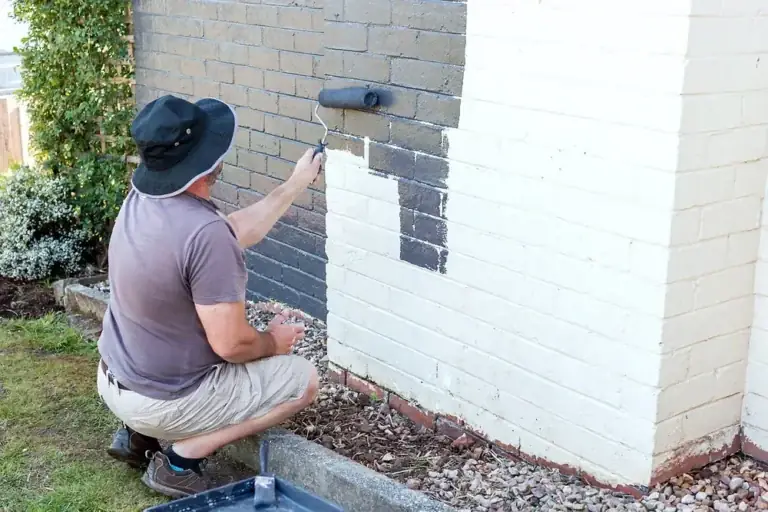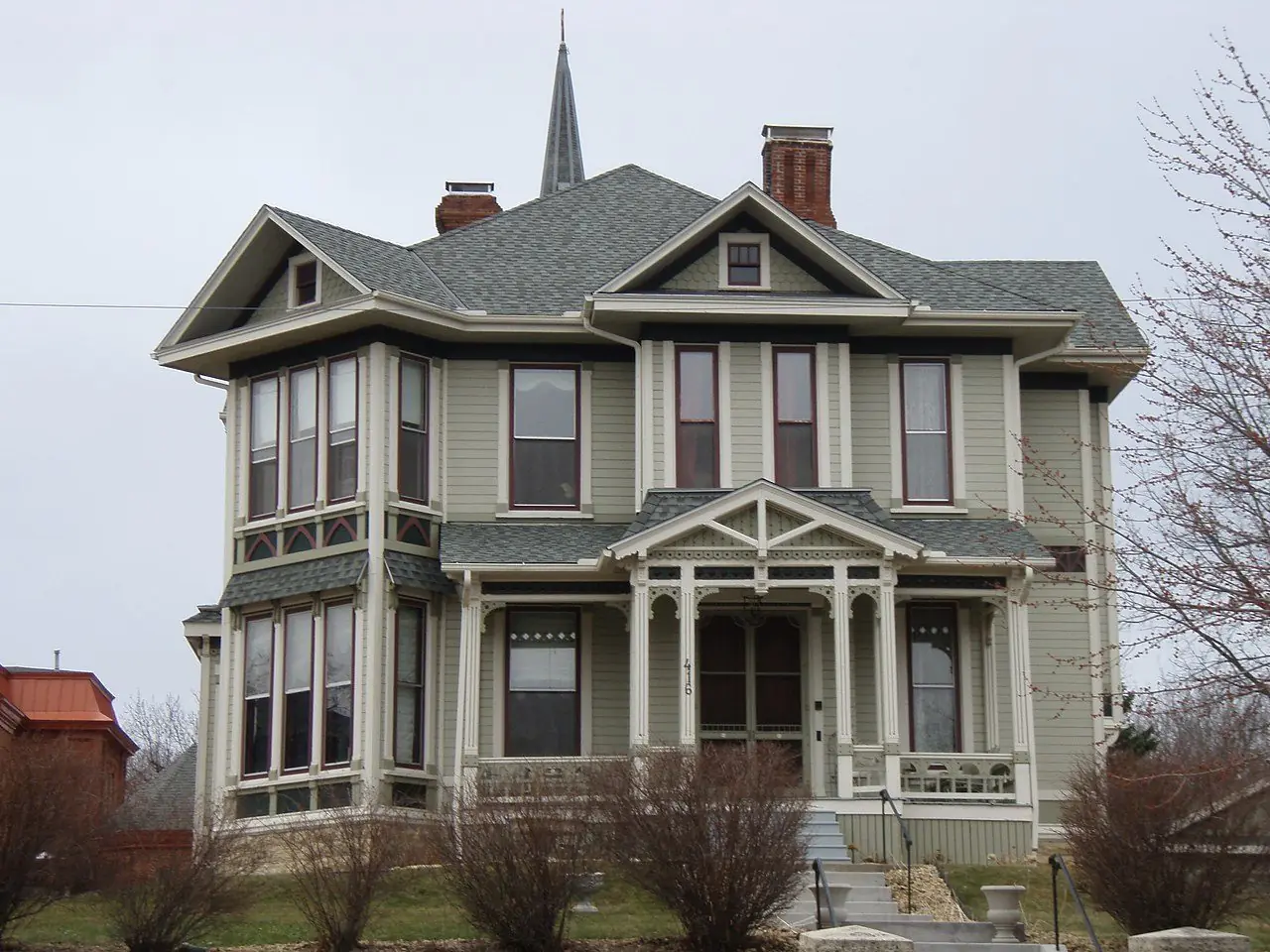
Best Exterior Painting for Historic Homes: Materials & Preservation Guide
Preserving the structural and architectural integrity of heritage buildings requires navigating a complex intersection of building pathology, material chemistry, and regulatory governance. When architectural conservators and preservationists evaluate the best exterior painting for historic homes, they immediately reject the notion that modern, high-build elastomeric synthetic polymers can be universally applied to legacy substrates without severe structural consequence. Furthermore, older construction systems—spanning heavy timber frames, multi-wythe soft brick masonry, lime-plastered stucco, and old-growth heartwood siding—exhibit thermodynamic and vapor-transmission profiles vastly different from contemporary building assemblies.
The fundamental challenge in historic surface maintenance lies in accommodating the inherent mobility and porosity of ancient building materials. In fact, modern architectural specifications frequently prioritize impermeability, trapping moisture behind rigid synthetic films. On historic structures, consequently, this approach generates internal vapor pressure, resulting in premature delamination, wood rot, and catastrophic masonry spalling.
Achieving long-term preservation requires a shift from cosmetic renewal to structural compatibility. This article provides a definitive reference for analyzing historic coating systems, examining material evolution, execution frameworks, failure modes, and long-term governance to ensure heritage assets are protected for future generations.
Understanding “best exterior painting for historic homes”
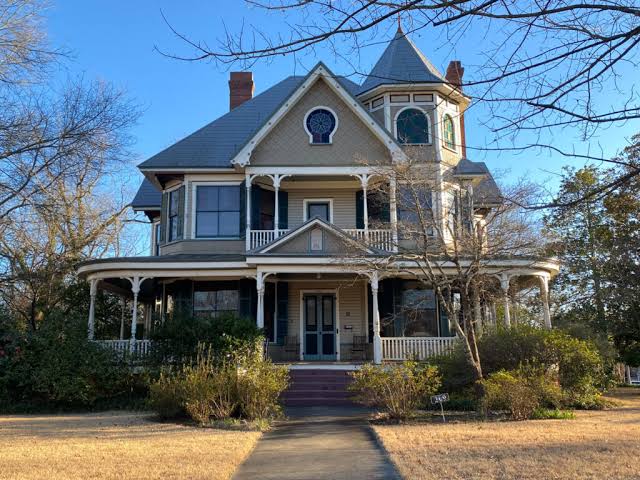
When specifying the best exterior painting for historic homes, technical consultants must balance historical accuracy, chemical compatibility, and physical performance parameters. A heritage coating is not merely a pigmented skin; instead, it functions as a micro-porous sacrificial boundary layer that regulates moisture vapor transmission while protecting delicate historic substrates from atmospheric degradation.
Oversimplifying this selection process frequently leads to irreversible building damage. For example, property owners often default to commercial “lifetime” acrylic latex paints based on marketing durability metrics, ignoring the fact that non-breathable polymer films disrupt the natural vapor drying cycle of historic timber and soft lime-mortared masonry.
Several critical misunderstandings complicate the evaluation framework:
-
The Modern Durability Fallacy: Assuming that higher film hardness and chemical resistance inherently benefit soft historic substrates, while ignoring the rigidity mismatch that causes severe substrate tearing.
-
The Color Authenticity Trap: Prioritizing modern chromatic matches via high-VOC synthetic colorants, whereas traditional earth-based oil or lime mediums offer superior mineral refraction and pigment depth.
-
The Strip-to-Bare Wood Expectation: Believing that complete chemical or thermal stripping to raw wood is always mandatory, although this process often destroys historic tool marks and accelerates old-growth wood fiber degradation.
Navigating these complexities requires analyzing the structure as an integrated system where historic materials and coating chemistry maintain continuous vapor equilibrium.
Deep Contextual Background: Evolution of Historic Coatings
The history of architectural paint technology reflects a continuous evolution driven by available natural resources, rudimentary chemistry, and shifting structural engineering methods. Early American and European heritage structures relied on locally sourced ingredients. Common formulations included milk-based casein paints, raw or boiled linseed oil enriched with natural earth pigments (such as iron oxides and ochres), and sacrificial lime washes applied directly to damp masonry surfaces.
These early systems operated on a principle of slow, sacrificial erosion. Rather than forming an impenetrable surface film that delaminated under stress, traditional oil and milk paints weathered gradually through controlled chalking. Furthermore, they possessed high vapor permeability, allowing interior and ground moisture to pass freely through the wall assembly without accumulating behind the finish layer.
The post-World War II industrial expansion introduced synthetic alkyds, followed rapidly by polyvinyl acetates and acrylic latex emulsions. While these modern chemistries offered rapid drying times, color retention, and ease of application, their widespread, indiscriminate use on historic structures caused severe building pathology. Early synthetic coatings sealed historic wall assemblies, preventing moisture evaporation and triggering historic wood decay and brick spalling on an unprecedented scale.
Today, architectural restoration has evolved into a specialized discipline. Modern formulators have re-engineered traditional chemistries—such as waterborne alkyds, pure linseed oil paints, and potassium silicate mineral coatings—to comply with stringent environmental regulations while preserving the vapor-open mechanics required by historic architectural assets.
Conceptual Frameworks and Mental Models
Preservation planning requires structured mental models that account for the unique physics of aging building envelopes.
1. The Vapor Permeability Hierarchy
This model dictates that every successive layer applied to a historic substrate must possess an equal or greater vapor permeance (measured in perms) than the layer immediately beneath it. If a low-perm topcoat is applied over a high-perm substrate or historic paint system, trapped moisture vapor traveling outward from the building interior creates hydraulic pressure blisters and progressive wood rot.
2. The Substrate Modulus of Elasticity Match
Historic timbers, especially old-growth white pine, yellow pine, and chestnut, undergo continuous dimensional shifts driven by seasonal relative humidity fluctuations. Rigid modern coatings possess a high modulus of elasticity, meaning they cannot stretch and flex with the timber. Consequently, this mismatch creates micro-fissures that draw liquid water inward while locking it inside the wood cell structure.
3. The Minimal Intervention Doctrine
Rooted in international conservation charters (such as the Venice Charter), this model prioritizes the retention of original fabric. It dictates that coating removal and surface preparation should be minimized to the absolute threshold necessary to secure mechanical adhesion, thereby preserving historical tool marks, hand-planed surfaces, and early coating stratigraphies.
Limits of Frameworks
Although these mental models establish rigorous parameters for preservation, they possess practical limitations. Latent structural defects, hidden rising damp, or extreme localized microclimates can override theoretical models, requiring customized, empirical interventions on a case-by-case basis.
Key Categories and System Variations
Identifying the best exterior painting for historic homes requires mapping specific chemical systems to distinct historic substrates. Below are the primary preservation categories utilized in conservation specifications.
1. Traditional Pure Linseed Oil Paints
Formulated with cold-pressed raw or boiled linseed oil and natural mineral pigments, these coatings contain no synthetic plasticizers, curing through oxidation rather than evaporation to maintain exceptional breathability and flexibility.
2. Potassium Silicate Mineral Paints
Inorganic coatings designed for historic brick, stone, and lime stucco; moreover, they form an insoluble, micro-crystalline chemical bond with the substrate via petrifaction, offering absolute UV stability and maximum vapor permeability.
3. Slaked Lime Washes (Distemper and Mineral Washes)
Extremely high-perm, traditional sacrificial coatings composed of aged hydrated lime and lightfast pigments, making them ideal for historical brick and stone structures that require annual or bi-annual refresh cycles.
4. High-Permeability Acrylic Waterborne Paints
Modern resin emulsions specifically modified to achieve high vapor transmission rates (high perm ratings), engineered to mimic traditional breathability while offering simplified application profiles.
5. Waterborne Alkyd Hybrids
Low-VOC alkyd emulsions that combine the deep wood penetration and self-leveling characteristics of traditional oils with the rapid cure times and non-yellowing attributes of modern waterborne resins.
6. Historic Elastomeric Acrylics (Specialized Low-Build)
Rarely utilized except on stable historic masonry subject to severe wind-driven rain, these systems must be carefully calibrated to avoid vapor-lock failures.
Decision Logic for System Selection
-
What is the historic composition of the substrate? Soft wood siding requires penetrating oil or high-perm waterborne systems; historic brick and lime stucco demand potassium silicate or lime wash formulations.
-
What is the existing paint stratigraphy? If multiple layers of historic oil paint are present, introducing incompatible synthetic acrylics will cause wholesale lifting; therefore, maintaining oil-over-oil compatibility is critical.
-
What are local preservation board mandates? Many historic districts legally restrict synthetic sheens and modern color families, requiring authentic matte or satin mineral finishes.
Detailed Real-World Execution Scenarios
A : 18th-Century Timber Clapboard Farmhouse
-
Constraints: Old-growth pine siding with 15 historic paint layers, localized cup-rot, and strict historic district oversight.
-
Decision Points: Prohibition of open-flame burning or aggressive power sanding; hand-scraping of loose and failing paint layers only; spot-priming bare wood with traditional pure boiled linseed oil primer; finishing with two coats of authentic cold-pressed linseed oil paint.
-
Failure Modes: Applying a modern acrylic primer over old chalky oil paint, resulting in immediate intercoat shear and peeling.
-
Second-Order Effects: Extended dry times (up to 48–72 hours per coat) requiring careful weather tracking; long maintenance intervals (10 to 15 years) due to oil chalking rather than film cracking.
B : Victorian Brick Townhome with Ornamental Lime Stucco
-
Constraints: Soft, highly permeable historical clay bricks, deteriorating lime mortar joints, and rising damp issues from urban grade levels.
-
Decision Points: Low-pressure hot water washing (under 400 PSI); careful mortar repointing with soft, lime-rich mortar matching historic composition; application of a 3-stage potassium silicate mineral paint system.
-
Failure Modes: Sealing the brick with a waterproof silicone or modern acrylic sealer, trapping moisture and causing salt crystallization (efflorescence) that shatters the historic brick face.
-
Second-Order Effects: Permanent chemical integration of the coating into the masonry matrix; superior moisture management that arrests interior damp migration.
C : Greek Revival Estate with Historic Architectural Millwork
-
Constraints: Deeply carved wooden cornices, fluted columns, fine dentil moldings, and micro-cracked historical oil finishes.
-
Decision Points: Infrared paint stripping for complex profiles without thermal wood damage; meticulous hand-sanding with profile blocks; application of a slow-curing exterior primer; finishing with a high-solids waterborne alkyd hybrid for sharp profile definition.
-
Failure Modes: Using high-speed rotary sanding equipment that rounds over sharp historical millwork details and scars the ancient timber substrate.
-
Second-Order Effects: Preserves the crisp architectural shadows and geometry of the historic millwork while providing durable protection against UV degradation.
Planning, Cost, and Resource Dynamics
Executing a preservation-grade coating project involves high labor investments, specialized material logistics, and long-term asset amortization. Budgetary models must account for meticulous manual preparation rather than rapid machine execution.
Cost Breakdown Dynamics
-
Labor and Preservation Preparation (75–85%): Hand scraping, gentle stripping, meticulous wood repair, historic patching, and micro-sanding consume the vast majority of project capital.
-
Specialized Conservation Materials (10–15%): Authentic imported linseed oil paints, potassium silicate mineral formulations, and historical primer systems carry significantly higher material costs than standard commercial paints.
-
Access and Containment (5–10%): Specialized scaffolding and environmental protection systems designed to prevent damage to historic landscaping and architectural features.
Comprehensive Cost Matrix
The following table outlines standard budgetary expectations per 1,000 square feet of surface area for historic preservation coating projects.
| Preservation Tier | Primary Substrates | Required Conservation Prep | Estimated Cost Range (per 1,000 sq ft) | Expected System Lifespan |
| Routine Historic Refresh | Sound Historic Wood Siding | Gentle wash, hand-scraping, spot oil prime, 2 oil topcoats | $4,500 – $7,500 | 8 – 12 Years |
| Complex Millwork Restoration | Deeply Carved Trim, Windows | Infrared stripping, minor Dutchman repairs, oil system | $8,500 – $14,000 | 10 – 15 Years |
| Historic Masonry Mineral Finish | Soft Brick, Lime Stucco | Hot-water soft wash, lime repointing, silicate mineral paint | $10,000 – $18,000 | 15 – 25 Years |
| Deep Museum-Grade Restoration | Multi-Layer Stripping, Timber Repair | Total chemical/thermal stripping, wood stabilization, linseed system | $20,000 – $35,000+ | 15 – 20 Years |
Tools, Strategies, and Support Systems
Executing heritage specifications demands specialized tools designed to protect fragile architectural fabrics.
1. Diagnostic Equipment
-
Wood Resistance Meters: Calibrated for historic timber density to accurately measure internal moisture gradients prior to coating application.
-
Elcometer Adhesion Testers: Used to perform pull-off adhesion tests on multi-layer historic paint systems to determine structural soundness.
2. Preservation Preparation Technologies
-
Infrared Paint Strippers: Employs low-temperature infrared heat to soften multiple layers of old paint without scorching wood or releasing toxic lead vapors through combustion.
-
Chemical Poultice Strippers: pH-neutral, water-based paste formulas that draw old paint layers away from wood and masonry without aggressive mechanical abrasion.
3. Application Hardware
-
Natural Bristle Oval Brashes (Traditional Red Brushes): High-density, hand-tied natural bristle brushes designed to physically work viscous oil and mineral paints deep into wood pores and masonry micro-cracks.
-
Low-Pressure Vapor Cleaners: Deliver superheated dry steam to sanitize and clean delicate masonry and timber without mechanical impact.
Limitations of Equipment
Infrared strippers require high operational patience and can crack old glass if misdirected; similarly, natural bristle brushes demand skilled labor to avoid brush marks in slow-curing oil films.
Risk Landscape and Failure Modes
Preservation failures often manifest violently due to chemical or physical incompatibilities between modern interventions and historic assemblies.
1. Intercoat Shear and Peeling
-
Mechanism: Modern acrylic coatings applied over legacy linseed oil paint lose adhesion as the underlying oil layer oxidizes and chalks beneath the impermeable synthetic film.
-
Root Cause: Failure to perform rigorous compatibility testing or applying hard, inflexible topcoats over soft, dynamic historic paint foundations.
2. Freeze-Thaw Spalling of Masonry
-
Mechanism: Trapped liquid moisture freezes within historic brick bodies, expanding and fracturing the structural face of the masonry.
-
Root Cause: Applying non-breathable sealers, elastomeric coatings, or Portland cement-based paints to historic soft-brick structures.
3. Alligatoring and Wrinkling
-
Mechanism: The surface of a thick oil coating dries faster than the underlying film, causing severe surface wrinkling and deep checking patterns.
-
Root Cause: Applying traditional linseed oil paints too thickly or failing to brush the paint out in thin, uniform micro-layers.
4. Biological Colonization (Mold and Algae Bloom)
-
Mechanism: Discoloration and biological growth take root within modern coatings that lack natural biocidal properties.
-
Root Cause: Using low-quality synthetic latex paints in shaded historic microclimates without appropriate fungicidal additives.
Governance, Maintenance, and Long-Term Adaptation
Long-term heritage asset management relies on proactive governance frameworks that respect the cyclical nature of traditional coatings.
The Heritage Maintenance Schedule
-
Quarterly Roof and Flashing Audits: Inspect roof junctions, flashing, and gutter systems to ensure water never bypasses exterior wall coatings.
-
Annual Elevation Reviews: Examine South- and West-facing exposures for early signs of oil chalking or mineral paint thinning.
-
Bi-Annual Gentle Washing: Clean atmospheric pollutants and organic debris from coated surfaces using low-pressure water and mild, neutral soaps.
-
Decadal System Refresh: Apply a maintenance coat of pure linseed oil or silicate mineral wash to restore sacrificial thickness before degradation reaches the substrate.
Measurement, Tracking, and Evaluation
Relying on qualitative visual assessments is insufficient for institutional or high-end residential historic preservation. Quantitative tracking ensures long-term structural health.
Key Metrics: Leading vs. Lagging Indicators
-
Leading Indicators (Predict Future Failure): Gradual loss of water-beading properties on oil finishes, microscopic chalking density progression, and sealant joint fatigue.
-
Lagging Indicators (Confirm Active Failure): Timber moisture content exceeding 18%, wide-scale paint delamination, and active efflorescence crystallization.
Documentation Examples
-
Stratigraphy Cross-Section Log: Photographic and microscopic documentation of paint cross-sections to map the historical color and coating timeline of the structure.
-
Material Batch and Formulation Record: Detailed logs recording exact linseed oil press batches, natural pigment ratios, and mineral paint manufacturer specifications used during the campaign.
Common Misconceptions and Oversimplifications
Myth 1: “Modern acrylic paints are always superior because they last longer.”
Correction: While acrylics resist initial UV breakdown longer than traditional oils, their lack of breathability on historic substrates causes catastrophic moisture entrapment, wood rot, and structural failure.
Myth 2: “Historic homes should always be stripped down to bare wood.”
Correction: Intact layers of historical oil paint provide a stable, weathered foundation that adheres better than raw wood, provided loose edges are scraped and spot-primed.
Myth 3: “All historic paints contained toxic lead and require total abrasive blasting.”
Correction: Many historical formulations utilized milk, lime, and natural oils free of heavy metals; furthermore, abrasive blasting destroys historic wood profiles and brick faces.
Myth 4: “Linseed oil paint takes too long to dry and is obsolete.”
Correction: Modern refined boiled linseed oils cure reliably within 24 to 48 hours when applied in micro-thin layers using traditional brushing techniques.
Myth 5: “Silicate paints can be applied over any existing modern latex paint.”
Correction: Potassium silicate mineral paints require a porous, mineral-based substrate to form their permanent chemical bond; they will fail instantly if applied over organic acrylic films.
Ethical, Practical, and Regional Considerations
Preservation Ethics and Authenticity
The philosophy of historic preservation demands truthfulness to materials. Utilizing synthetic coatings on a 19th-century timber frame compromises the historical integrity of the asset. Specifiers have an ethical obligation to prioritize reversible, compatible traditional materials that respect the craftsmanship of original builders.
Regional Climate Variations
-
New England and Mid-Atlantic Coastal Zones: High humidity, driving Nor’easters, and salt spray require highly flexible linseed oil systems or breathable silicate coatings capable of handling rapid freeze-thaw cycles.
-
Southern Humid Environments: High biological growth pressure demands natural fungicidal oil formulations or mineral paints that resist mold proliferation without trapping humidity.
-
Arid Southwestern Climates: Extreme UV radiation and thermal shock require highly elastic, UV-stable natural mineral or oil finishes that absorb extreme daily expansion and contraction.
Conclusion
Identifying and applying the best exterior painting for historic homes requires rejecting modern shortcuts in favor of material science, building physics, and historical respect. Heritage structures are living assemblies that demand breathable, flexible, and chemically compatible coatings to manage moisture and thermal movement.
By prioritizing meticulous hand preparation, understanding substrate vapor dynamics, and utilizing traditional formulations like pure linseed oil and potassium silicate mineral paints, preservationists can secure the structural longevity and aesthetic integrity of historic assets for generations. True preservation bridges the gap between historical reverence and technical excellence, ensuring our architectural heritage remains resilient against the elements.