Top Exterior Painting Plans: Architecture, Materials, and Long-Term Asset Protection
Exterior surface maintenance represents one of the most critical yet frequently misunderstood aspects of residential and commercial asset management. Property owners often approach building envelope preservation as a cosmetic upgrade rather than a protective engineering task. This fundamental misconception leads to premature coating failure, moisture intrusion, substrate degradation, and unnecessary financial expenditure over the lifecycle of a structure.
Developing a robust exterior paint strategy requires navigating a complex intersection of material science, regional climate variables, structural physics, and trade logistics. A successful outcome depends less on the final coat of paint and far more on the systematic planning that precedes the first brushstroke. Without a structured framework for evaluating substrate conditions, surface preparation, primer chemistry, and environmental exposure, even high-end coatings fail prematurely.
This article establishes a definitive, multi-perspective reference for designing, executing, and maintaining top exterior painting plans. It moves beyond superficial DIY advice to examine the underlying mechanics of protective coatings, financial allocation strategies, risk mitigation, and long-term governance. Whether managing a historic restoration, a modern multi-family complex, or a high-exposure coastal residence, the principles detailed below provide the structural clarity required to protect building envelopes for decades.
Understanding “top exterior painting plans”
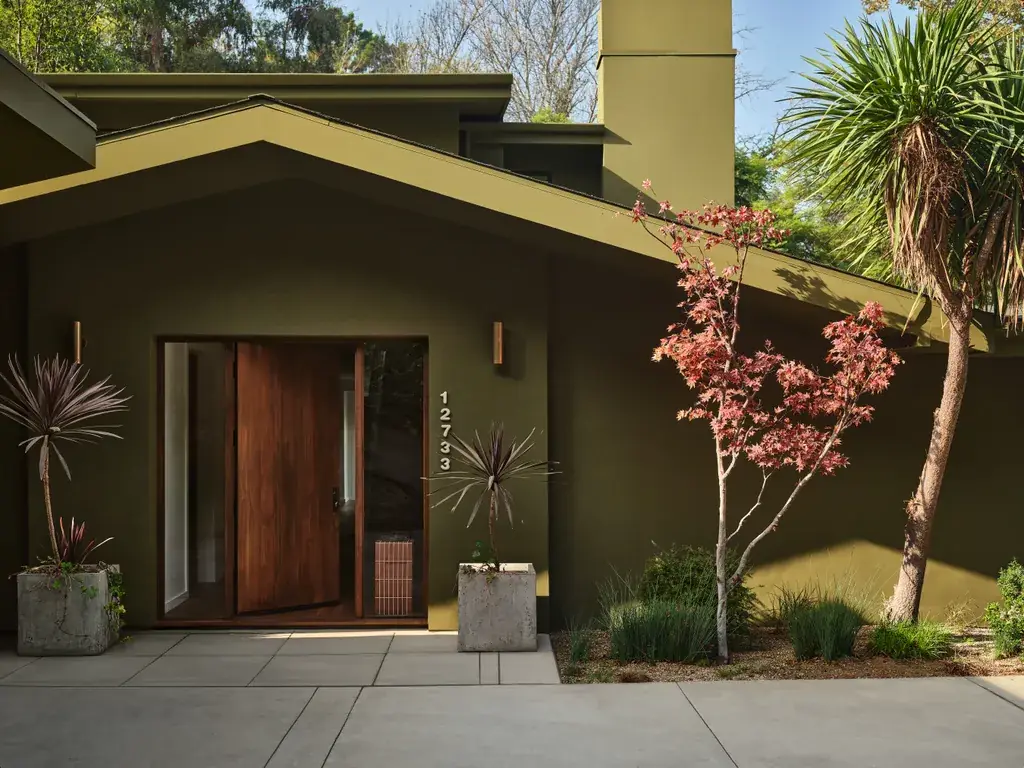
When professionals evaluate top exterior painting plans, they are not referring to a simple list of paint brands or color swatches. A true exterior painting plan is an integrated asset protection protocol. It defines the sequence of diagnostic inspections, mechanical surface treatments, chemical priming regimes, topcoat specification, and scheduled maintenance cycles tailored to a specific structure.
Oversimplifying an exterior painting plan to a mere “paint job” creates significant friction between property owners and contractors. Property owners often focus on immediate visual outcomes and upfront cost per square foot. In contrast, coatings engineers and experienced master painters view the project through the lens of adhesion physics, vapor permeability, dry film thickness (DFT), and sacrificial wear layers.
Misunderstandings generally stem from three core areas:
-
The Primacy of Paint over Preparation: Assuming that high-grade paint can mask inadequate surface preparation or structural moisture defects.
-
Uniformity Myth: Treating all sides of a building as identical environments, ignoring solar orientation, elevation, shading, and microclimates.
-
Warranties vs. Reality: Believing that a paint manufacturer’s “Lifetime Warranty” covers chemical failure caused by underlying moisture, poor substrate cohesion, or improper application conditions.
Evaluating top exterior painting plans requires analyzing building physics alongside long-term capital allocation. A proper plan balances structural preservation with aesthetic requirements, ensuring that every dollar spent on surface preparation yields maximum operational longevity.
Deep Contextual Background: Evolution of Exterior Protection
The history of exterior architectural coatings is a progression of material chemistry adapting to changing environmental demands and regulatory mandates. For centuries, exterior preservation relied on traditional materials such as lime washes, oil-based lead paints, and linseed oil varnishes. These early systems worked by penetrating porous organic substrates like wood and brick, forming a semi-flexible, sacrificial barrier that wore away gradually over time through chalking.
The mid-20th century introduced major shifts in environmental policy and organic chemistry. The removal of lead pigments due to health hazards, followed by strict volatile organic compound (VOC) regulations in the late 20th and early 21st centuries, forced manufacturers to re-engineer coatings from the ground up. Solvent-based alkyds were largely replaced by waterborne acrylic resins, 100% acrylic latex, and advanced fluoropolymer chemistry.
Modern waterborne acrylics offer superior color retention, UV resistance, and flexibility compared to their alkyd predecessors. However, they are far more sensitive to surface contamination, ambient application temperatures, and substrate moisture levels during curing. Concurrently, modern construction has introduced engineered wood composites, fiber cement siding, thermal insulation systems (EIFS), and synthetic trim materials.
Each of these modern materials features distinct thermal expansion coefficients, moisture movement dynamics, and surface energy profiles. Consequently, modern top exterior painting plans must account for complex interactions between advanced synthetic coatings and engineered building substrates.
Conceptual Frameworks and Mental Models
To systematically design exterior coating strategies, asset managers and project directors can utilize several mental models derived from material science and systems engineering.
1. The Substrate Envelope Model
This model views the building surface not as a flat canvas, but as a dynamic interface between interior environmental conditions and exterior atmospheric stress. The coating system functions as a semi-permeable membrane. It must resist liquid water entry from the outside while allowing interior water vapor to escape.
If a plan specifies a coating with low vapor permeability (measured in perms) on a structure with high interior humidity and no vapor barrier, the paint system will blister and delaminate regardless of its material quality.
2. The Sacrificial Layer Strategy
Borrowed from marine engineering, this model treats exterior paint as a temporary shield designed to degrade under UV radiation and weathering, thereby preserving the structural substrate beneath.
A successful plan assumes degradation is inevitable and builds in measurable parameters for when a refresh coat must be applied—before the sacrificial layer wears down to bare substrate.
3. The 80/20 Mechanical Adhesion Paradigm
This operational model dictates that 80% of long-term coating performance depends on mechanical adhesion (surface profile, cleanliness, dryness, sound substrate), while only 20% depends on chemical adhesion (the resin formulation of the paint). Overspending on high-tier paint formulations while underspending on surface preparation violates this paradigm and guarantees early system failure.
Limits of Frameworks
While these mental models help guide decision-making, they have real-world limitations. They assume predictable environmental baselines. Severe storm events, structural settling, unaddressed plumbing leaks, or latent manufacturing defects in siding materials can bypass these theoretical frameworks entirely.
Key Categories and System Variations
Formulating top exterior painting plans requires matching specific substrate compositions with compatible coating systems. Below are the primary technical categories utilized in professional specifications.
1. Wood Substrates (Dimensional & Composite)
Wood expands and contracts significantly along its grain in response to relative humidity. Exterior plans for wood require highly flexible 100% acrylic topcoats over penetrating alkyd or specialty acrylic primers designed to block tannin bleeding.
2. Fiber Cement Siding
Fiber cement offers high dimensional stability but absorbs moisture rapidly if unsealed edges are exposed. Plans must prioritize edge-sealing with alkali-resistant primers and medium-build acrylic latex topcoats to prevent edge-checking and moisture trapping.
3. Masonry, Concrete, and Stucco
These cementitious substrates are prone to efflorescence (mineral salt leaching) and high pH levels. Systems require self-curing, alkali-resistant masonry primers coupled with breathable topcoats or mineral silicate paints that form chemical bonds with the substrate rather than a surface film.
4. Architectural Metals (Ferrous & Non-Ferrous)
Metal surfaces require corrosion control protocols. Ferrous metals require rust-inhibitive primers and hard-film aliphatic polyurethanes or industrial acrylic enamels. Non-ferrous metals (aluminum, galvanized steel) require surface etch treatments or specialized vinyl/epoxy wash primers to ensure long-term adhesion.
5. Elastomeric Wall Coating Systems
Designed for cracked stucco or high-movement masonry, elastomeric coatings are applied at high dry film thickness (10 to 20 mils per coat). They stretch to bridge dynamic hairline cracks. However, their low breathability requires careful moisture assessment prior to application.
6. Mineral and Silicate Paint Systems
Extremely durable inorganic coatings that petrify within mineral substrates. They offer exceptional breathability and lightfastness, making them suitable for historic masonry, though they require specialized application skills.
Decision Logic for System Selection
-
Is the substrate rigid or dynamic? Dynamic substrates (wood, EIFS) require high-elongation acrylics; rigid substrates (masonry) allow for mineral or lower-elongation systems.
-
What is the substrate pH? Fresh masonry with high alkalinity (pH > 10) mandates alkali-resistant coatings to prevent saponification.
-
What is the microclimate exposure? High UV and extreme temperature shifts require premium acrylic resins; damp, shaded microclimates require formulations with broad-spectrum biocides.
Detailed Real-World Execution Scenarios
A : Coastal Residential Property (High Salt Spray, Extreme UV)
-
Constraints: Constant salt aerosol deposition, high solar radiation, wind-driven rain, mixed wood and fiber cement siding.
-
Decision Points: Full pressure washing with de-salting neutralizing agents; replacement of rusted fasteners with 316 stainless steel; double-priming all cut edges of siding; applying two coats of high-build 100% acrylic resin with marine-grade UV blockers.
-
Failure Modes: Salt encapsulation under paint leads to osmotic blistering; wind-driven rain forces moisture into unsealed butt joints.
-
Second-Order Effects: Requires shorter maintenance cycles (5–7 years) and bi-annual washdowns to remove surface salts.
B : Historic Commercial Masonry Building
-
Constraints: Soft multi-wythe brick, lime mortar, strict historic preservation guidelines, high interior humidity.
-
Decision Points: Complete prohibition of high-PSI pressure washing and synthetic elastomeric coatings; execution of chemical strip down to bare masonry; application of a breathable potassium silicate mineral paint system.
-
Failure Modes: Applying low-perm film-forming paint traps vapor, causing freeze-thaw spalling that structurally destroys historical brick faces.
-
Second-Order Effects: Higher initial material and labor costs, balanced by an extended service life (20+ years) without peeling.
C : Multi-Family Complex with Synthetic EIFS Cladding
-
Constraints: Large surface area, flexible substrate, tight budget limits, high tenant density.
-
Decision Points: Soft-wash biocide treatment; localized elastomeric patching at expansion joints; application of a mid-tier high-build breathable acrylic topcoat via airless spray and back-rolling.
-
Failure Modes: Over-application of film thickness blocking designed drainage planes; skipping back-rolling leading to poor adhesion on textured profiles.
-
Second-Order Effects: Requires precise quality control of dry film thickness to prevent blistering while maintaining elasticity.
Planning, Cost, and Resource Dynamics
Structuring top exterior painting plans involves balancing direct costs, indirect overhead, and long-term asset depreciation. A low upfront bid often conceals systemic shortcuts—such as skipped surface preparation, thinned primers, or single-coat applications—that dramatically increase the total cost of ownership over a 15-year horizon.
Cost Breakdown Dynamics
-
Labor & Surface Prep (60–70% of total budget): Washing, scraping, sanding, caulking, masking, and substrate repairs consume the vast majority of resources.
-
Materials & Coatings (15–20% of total budget): Premium paints account for a small fraction of the total budget. Saving 30% on cheaper paint saves less than 6% on total project costs while cutting systemic service life in half.
-
Access & Safety Infrastructure (10–15% of total budget): Scaffolding, boom lifts, containment systems, and OSHA-compliant fall protection.
Comprehensive Cost Matrix
The following table outlines standard budgetary expectations per 1,000 square feet of surface area across varying structural complexity tiers.
| Complexity Tier | Primary Substrates | Required Prep Work | Estimated Cost Range (per 1,000 sq ft) | Expected System Lifespan |
| Basic / Single-Story | Sound Fiber Cement / Vinyl | Power wash, spot caulk, single-coat topcoat | $1,800 – $3,200 | 6 – 8 Years |
| Intermediate / Two-Story | Wood Siding, Mixed Trim | Wash, extensive scraping, spot prime, 2 topcoats | $3,500 – $6,000 | 8 – 12 Years |
| Advanced / Complex Multi-Story | Weathered Wood, Stucco, Metal | Full scrape/sand, full prime, minor substrate repair, 2 coats | $6,500 – $11,000 | 10 – 14 Years |
| Specialized Historic / Coastal | Soft Brick, Multi-Layer Lead Paint | Chemical strip, masonry repair/repointing, mineral silicate system | $12,000 – $22,000+ | 15 – 25 Years |
Tools, Strategies, and Support Systems
Executing top exterior painting plans effectively requires deploying specialized equipment, diagnostic tools, and procedural controls.
1. Diagnostic Equipment
-
Moisture Meters (Pin & Pinless): Essential for verifying substrate moisture levels stay below 12–15% before applying primer.
-
Wet/Dry Film Thickness Gauges: Used to confirm that liquid coatings are applied at the exact mil thickness specified by the manufacturer.
-
Infrared Surface Thermometers: Used to track substrate temperatures, ensuring application remains within the safe 45°F–90°F range.
2. Surface Preparation Technologies
-
Variable-Pressure Washing Systems: Allows calibrated cleaning (500 PSI for soft historic wood; 3,000+ PSI for concrete prep) without gouging materials.
-
Dust Containment HEPA Sanding Units: Critical for compliant lead paint abatement and clean site operations.
3. Application Machinery
-
Airless Spray Equipment with Fine-Finish Tips: Enables rapid, uniform delivery of high-viscosity architectural coatings.
-
Heavy-Duty Back-Roll Assembly: Ensures sprayed paint is mechanically forced into microscopic pores and texture profiles for deep adhesion.
Limitations of Equipment
High-tech equipment cannot override environmental constraints. Spray equipment used in high-wind conditions results in overspray damages and uneven film build. Similarly, moisture meters only measure localized points; they cannot predict water migration paths behind unsealed flashing.
Risk Landscape and Failure Modes
Understanding how coatings fail is essential to building an execution strategy that prevents premature wear. Exterior paint failures are rarely subtle; they follow distinct patterns tied to specific procedural errors.
1. Intercoat Delamination (Peeling)
-
Mechanism: Upper coats detach from underlying coats or primers.
-
Root Cause: Applying topcoats over glossy surfaces without scuff-sanding, painting over chalky/dirty substrates, or exceeding the primer’s maximum recoat window.
2. Osmotic Blistering
-
Mechanism: Fluid-filled or dry bubbles form beneath the paint film.
-
Root Cause: Trapped solar heat vaporizes interior moisture within wood or masonry, forcing the film outward because the paint’s vapor permeability rate is too low.
3. Saponification
-
Mechanism: Paint turns into a soft, sticky, soap-like substance.
-
Root Cause: Applying oil-based/alkyd paints directly to highly alkaline masonry or galvanized metal, causing a chemical reaction between fatty acids in the oil and alkalis in the substrate.
4. Surfactant Leaching
-
Mechanism: Brownish, sticky streaks appear on the surface of latex paint.
-
Root Cause: Applying water-based paints in cold, humid conditions or right before dew formation, which forces water-soluble ingredients to migrate to the surface rather than curing into the film.
Governance, Maintenance, and Long-Term Adaptation
A successful exterior painting strategy extends long past the final site cleanup. Protecting building envelopes requires an active governance framework based on routine inspections and scheduled touch-ups.
The 4-Tier Inspection Schedule
-
Bi-Annual Checks (Spring/Autumn): Inspect soil clearance lines and clear gutters/downspouts to prevent water overflow and ground moisture contact.
-
Annual Maintenance Reviews: Perform targeted inspections on high-exposure South- and West-facing elevations and check soft sealant joints.
-
Mid-Cycle Maintenance (Year 3 to Year 5): Wash elevations with low-pressure biocidal cleaners and touch up localized sealant failures using high-movement sealants.
-
Comprehensive Evaluation (Year 7 to Year 10): Take dry film thickness (DFT) readings to measure sacrificial loss rates and assess the need for a refresh topcoat.
Measurement, Tracking, and Evaluation
Relying solely on visual checks to evaluate paint performance is insufficient for asset managers. Quantitative tracking provides clear data to inform repair decisions before visible structural damage occurs.
Key Metrics: Leading vs. Lagging Indicators
-
Leading Indicators (Predict Future Failures): Sealant elasticity loss, surface chalking rates (ASTM D4214), and micro-cracking in high-stress zones.
-
Lagging Indicators (Signify System Already Failed): Visible substrate rot, wide-scale peeling or flaking, and interior water intrusion.
Record-Keeping Examples
Maintaining accurate service logs ensures continuity across property management transitions:
-
System Specification Record: Track system ID, installation date, substrate type, surface preparation steps, primer/topcoat specifications, and batch numbers.
-
Annual Sealant Audit Log: Document inspection dates, specific zones evaluated, observed joint conditions, and remedial actions taken.
Common Misconceptions and Oversimplifications
Myth 1: “Two coats of paint eliminate the need for a primer.”
Correction: Self-priming paints are simply higher-viscosity topcoats designed to build film thickness quickly. They do not possess the specialized resin formulations required to lock down chalky surfaces, stain-block tannins, neutralize alkaline masonry, or deeply penetrate unsealed wood fibers.
Myth 2: “Thicker paint application always provides better protection.”
Correction: Exceeding the manufacturer’s recommended wet/dry film thickness causes internal film stress, mud-cracking during drying, trapped solvents, and reduced breathability. Proper coverage relies on uniform mil thickness, not thick layers.
Myth 3: “Paint can be applied at any time if it isn’t raining.”
Correction: Relative humidity, dew point spread, substrate temperature, and overnight temperature drops directly impact film formation. Applying latex paint when temperatures drop below 45°F (or within 5°F of the dew point) prevents latex particles from fusing correctly, leading to early film wash-off or blistering.
Myth 4: “Power washing alone is sufficient surface preparation.”
Correction: Power washing removes loose surface dirt and chalking, but it cannot create a mechanical profile on glossy paints, remove tightly adhered failing paint, or eliminate subsurface fungal spores. Hand or power sanding and chemical biocides remain necessary steps.
Myth 5: “Caulking every gap on an exterior wall protects against leaks.”
Correction: Over-caulking often traps moisture inside the wall assembly. Drainage gaps—such as weep holes in brick veneers, lap joints in wood siding, and lower window flashing edges—must remain open to let moisture escape.
Ethical, Practical, and Regional Considerations
Environmental Regulations and VOC Off-Gassing
Architectural coatings are subject to regional volatile organic compound (VOC) limits set by regulatory bodies like the EPA and SCAQMD. While low-VOC waterborne systems reduce air pollution, they dry much faster than older solvent-borne paints. Applicators must adjust their techniques—such as working in the shade and maintaining wet edges—to prevent lap marks and poor film fusion.
Historic Preservation Guidelines
Working on registered historic structures introduces legal and procedural restrictions. Historic boards often mandate traditional material palettes (such as linseed oil compounds or limewashes) and strictly regulate colors, surface prep techniques, and structural alterations. Furthermore, handling pre-1978 structures requires strict adherence to lead-safe work practices (such as the EPA RRP Rule in the United States) to avoid severe contamination and heavy fines.
Regional Climate Profiles
-
Arid / High-UV Environments (e.g., US Southwest): Focuses heavily on UV-resistant resins, inorganic lightfast pigments, and cool-paint reflective technologies to minimize thermal expansion stress.
-
Humid / Coastal Zones (e.g., Southeast / Gulf Coast): Requires high-concentration mildewcides/biocides, salt aerosol neutralization washing protocols, and high-adhesion primers to handle wind-driven moisture.
-
Freeze/Thaw Zones (e.g., Northeast / Midwest): Demands highly breathable coatings with high perm ratings to allow trapped winter moisture to escape without spalling the surface during freeze cycles.
Conclusion
Developing top exterior painting plans requires shifting perspective: moving away from viewing paint as a simple cosmetic finish and recognizing it as an engineered building envelope system. High-performing outcomes depend on detailed surface diagnostics, structural physics, substrate-matched coating selections, and controlled application practices.
System failures are rarely caused by defective paint; they stem from missed preparation steps, unaddressed moisture pathways, or ignoring environmental constraints. By shifting focus toward proper surface profiling, material chemistry, and proactive long-term governance, asset owners can ensure maximum structural protection and financial value for every project.
An effective exterior painting plan requires patience, attention to detail, and a commitment to methodical execution over quick fixes. When surface preparation is prioritized and supported by routine maintenance, the building envelope remains resilient, durable, and fully protected against the elements for years to come.